Showing posts with label Article. Show all posts

Monday, 21 November 2016

Candling parrot beak birds Eggs

Candling eggs is a straight-forward process but it helps to have some pictures to know what you’re looking for!
t is necessary to candle eggs for fertility when you are incubating eggs artificially using an incubator. Infertile or bad eggs can be discarded so that there is no risk of them going bad and exploding inside the incubator, contaminating the other eggs.
Fertile Duck Egg
If you are using a separate incubator or hatcher for the last few days of incubation to hatch your eggs, the extra space can be used for more eggs, provided the incubator is kept sterile.
Candling does not damage the embryos inside the eggs as long as you don’t heat the egg up too much with the heat from the candling device or keep the eggs out of the incubator for too long, so it is ideal to get a glimpse at what is going on inside your eggs.

DIY candling lamp

Candling gets its name from days gone by when people used to use candles as the light source. Of course these days, you can buy or make your own candler using a light bulb or bright torch as the light source.
The cheapest way to create a DIY candler is to place a light bulb (low energy light bulbs are best as you can get a very bright bulb that doesn’t generate as much heat as a conventional bulb) and light fixture or desk lamp inside a cardboard box. Cut a small, round hole in the top of the box, just big enough to sit the pointed end of your egg into. Place your egg onto this hole and turn the light on. You should be able to see what is inside the egg and with practice you will be able to identify fertile eggs by the spider-like blood veins spreading out much like a spider’s legs.
Bad eggs (sometimes called dead germs) can also be identified during the candling process. This is where the embryo starts to develop but later died and infertile eggs that are clear except for the shadow of the yolk.
Modern high power LED torches that do not give off much heat are also an excellent light source that can also be used for candling eggs. The following photo was taken with me holding my hand around the end of the torch underneath the egg. This is day 8 and the embryo can be clearly seen.
Candling Egg

Dark shelled eggs

Dark shelled eggs (Such as Marans or Welsummer Eggs) are much harder to see through so you will need the brightest light source you can get, and will need to candle the eggs in a dark room to stand a chance of seeing development. If you still can’t tell, you will have to wait longer until the embryo has developed further and can be seen more easily.
Eggs are normally candled after 7 to 8 days of incubation. The most critical period of incubation during the development of the embryo is the first week so it is best to be patient and only take a look after the first week. You will see more after a week and can be more certain about the fertility as well. It’s not easy to see development in the first few days, especially to the untrained eye.

Candling photos

Here are some photos of candling eggs I have taken, (8 days into incubation) which will help you to know what to look for. Candling can be done earlier than this but remember the embryo is very fragile during the first few days and it is easier to see positive signs after a week when the embryo appears as a dark patch with spider like veins around it. If you are unsure whether the dark patch is inside the egg or part of the shell then you can rock the egg back and forth gently and you should see the embryo moving inside.
Candling Infertile EggCandeling Fertile Egg Day 8
Candling an Infertile Egg.
The Yolk can’t be seen as it is the opposite side but can sometimes be seen as a dark cloud towards the center of the egg.
Candling a Fertile Egg. Day 8.
The Embryo is the dark patch in the center, blood vessels can also be seen. Notice the air sack at the top
Candling Dark ShellCandling Fertile Egg Day 8
Candling a Fertile Egg. Day 8.
This is a dark brown Marans Egg. It is more difficult to candle and needs to be done in the dark to be able to see anything.
Candling a Fertile Egg. Day 8
You can’t always see the embryo. Here it is towards the center / back of the egg but blood vessels can still be seen.

So what’s happening inside the egg?

The image below should give you an idea of what is going on inside the egg by day 8.
The embryo has grown significantly and the eye is usually visible (the darkest ‘blob’ you see in the egg). There are digits on the feet, the heart is completely enclosed in the thoracic cavity, and the embryo is starting to look more like a chick. Feathers start to grow from day 8.
Candling Egg Embryo picture
There is a sack attached to the embryo that is called the allantois (shown in blue). This goes around the back and head of the embryo and holds the waste. This is the yukky bit you’ll find left in the shell when the chick hatches. The yolk sack is now very red and full of blood vessels that go out into the alubumen (egg white). The air sack at the broad end of the egg has increased slightly in size.

What happens next?

Eventually, the chick will fill almost all of the space inside the egg and the air sac will increase further in size (see the diagrams below). When the chick finally hatches, it will break through the inner membrane into the air sac to take its first breaths of air. It will crack / push through the shell with its egg tooth (attached to the end of the beak). This allows further oxygen into the air sac so the chick can continue to breathe.
Over the final 24 hours, the remainder of the yolk sack will be absorbed, this will give the chick enough energy to turn inside the shell and slowly break from the shell as it goes. It will then use its feet to push itself out of the shell.
There is little point in candling eggs during the final few days other than to check for the air sack size because you will not see much. The chick almost fills the shell.
If you assist a chick in hatching, you take the risk of removing the shell too soon, before the yolk sack has been absorbed and before the navel has healed over where the allantois was attached. High humidity in the incubator will stop the membrane from drying out, keeping it soft and easy for the chick to break out.
Chicks do not need food for the first 24-48 hours after hatching thanks to the energy they get from the yolk sack (this is why commercially they can sell and ship chicks as ‘day olds’ around the country).

Air Sac Development

The images below show you the relative air sac sizes at different stages of incubation for chicken and duck eggs.
Air Sac Development
  • Compare these to your eggs during candling.
  • Mark your eggs with a soft pencil so you can monitor progress.
  • If the air sack is too small, the incubation humidity is too high. If the air sack is too big, your incubator humidity is too low.
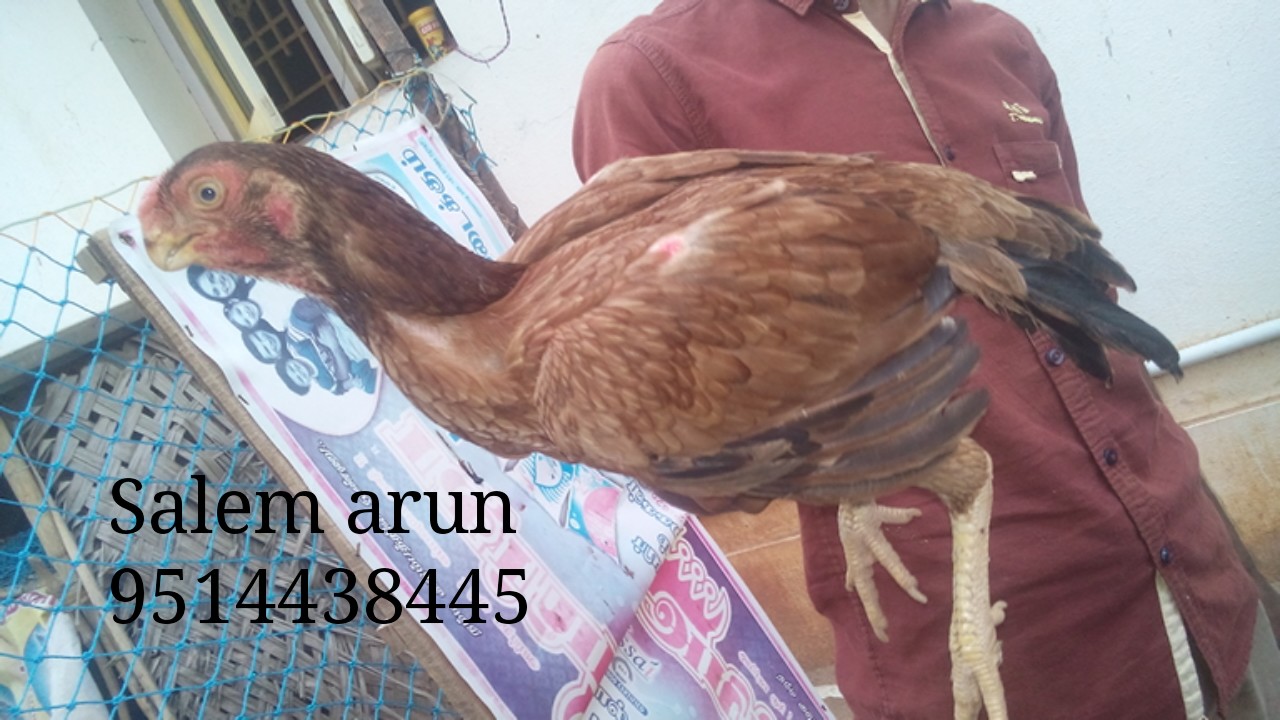
Pure short nose and long tail Cock
parrot beak and temper,tail male&hens
good quality Chicks Available,,,,,,,,,

Salem arun
PH;9514438445

Delivery available ALL OVER INDIA/ CHARGES APPLY....

Sunday, 13 November 2016

13 Reasons Your Chickens Stopped Laying Eggs and the Solutions


Did you go out to your coop this morning only to find no eggs? Frustrating, isn’t it? It also makes us worried. So, is it serious? What can we do about it?
The answer to the question varies. Fortunately, most of the time when chickens stop laying it is because of minor things that can be easily fixed. Take heart! Your precious hen will hopefully be back to laying those delicious eggs in no time.

1. First Thing First: Was Your Hen Ever Laying?

Hens usually don’t begin to lay until around 6 months old. This can vary depending on the breed. Heavier birds may start laying later than 6 months while lighter weight breeds may start laying earlier.
Our first set of chickens were Rhode Island Reds. They didn’t begin laying until almost 8 months old. When we invested in Dominiques, they started laying at around 4-5 months.
Some of you may be reading this and thinking, “I know my bird was laying!” But, really if you have multiple chickens, sometimes it is hard to keep up with who laid what.
Solution: Make sure you're not you're not worrying over nothing. If you aren’t 100% sure your hen was laying to begin with, keep a close eye over the next few weeks. If she isn’t showing any other symptoms then maybe she wasn’t really laying in the first place.
Wouldn’t that be a relief?

2. Is She Too Old to Lay?

Maybe your chicken is the polar opposite of what we've just discussed. Maybe the old girl is getting up in age, and you are noticing she just isn’t laying like she used to. That’s okay. Every year, a chicken’s egg production will lessen.
Chickens can live up to 8-10 years in age. By the time they reach this age, though, they are rarely laying. This is where it gets difficult. Some people only raise chickens for eggs. Some get rather attached to their chickens and don’t care if they quit laying because of age. You have options either way.
Solution: If you realize your beloved hen has stopped laying because of her age, then it is time to make a decision. If your chicken is more like a pet, then you might decide to keep her around until she dies naturally.
If you love her but just can’t afford to keep an animal that isn’t giving back any longer then there are chicken retirement homes. If you love your chicken but aren’t quite as emotionally attached then it might be time to butcher her.

3. Some Breeds are Better at Giving Eggs

This might seem a little obvious, but some chickens that are amazing layers while others are just so-so producers. Depending on your hen’s breed, this might explain why you aren’t getting eggs from her any longer.
Road Island Reds, Sexlinks, and White Leghorns are just a few breeds known for being excellent layers while other chickens like Dominiques and Jersey Giants are less known for their laying talents. Here's a list of 10 chicken breeds that are the best at laying eggs.
Solution: Do your research. Use sites like Google to find out what your breed of chicken usually produces. If your hen is a Road Island Red but she isn't laying as many as expected, then you’ll know that she probably has a problem.
However, if you have another breed such as a Jersey Giant, and you know that she isn’t showing any other symptoms, then maybe she just isn’t producing as many eggs because of her breed. Jersey Giants, another example, are great dual purpose birds for meat and eggs. Yet, they won’t produce as much as some other breeds of chickens.

4. Do Your Chickens Have New Friends? Or Have You Moved Them to a New Neighborhood?

Sometimes when you add new chickens to your flock, your more seasoned layers will stop laying. It throws them through a jolt adding new members to their household. This should make perfect sense to anyone that has ever gone through a similar experience.
Think of it as a blended family. Anyone that has ever blended two families or adopted a child knows how difficult it is starting out finding the new “rhythm” of the household.
Chickens really aren’t that much of a different. It takes a while for them to figure out where everyone’s space is. Once they get things figured out, they’ll go back to laying.
The same thing applies if you have recently moved your chickens. Maybe your family moved to a new neighborhood, or maybe you just moved your chickens’ coop across the yard. Either way, chickens are creatures of routine. Anything that throws off that routine can ultimately make it to where they stop laying for a few days at a time.
Solution: All you can do in these instances is practice some patience. It shouldn’t take your chickens more than a few days to get adjusted and figure everything out. During this time, if you’ve added new members to their household, they’ll need to establish a new pecking order and routine.
If you’ve moved their coop across town or across the yard, it will take your chickens a few days to figure out their new surroundings. Once they become familiarized with everything again, they’ll return to laying.

5. The Summertime Blues

Hens love daylight. It requires 16 hours of daylight for them to lay an egg, usually. So when the winter rears its head, don’t be surprised if your chickens don’t lay as many eggs.
Hens are really funny animals. The rooster usually crows as the sun is coming up (or maybe a little earlier.) Hens are not early risers, though. This was surprising to me when I first started keeping chickens. They don’t bother flying down off of the roost until the sun is up.
During the winter, this means they don’t rise nearly as early. This also means that they go to bed much earlier because of how early night falls.
If your chickens aren’t laying and it is winter time, don’t be alarmed. They aren’t awake long enough for their bodies to produce an egg. If you are lucky, you might have a few faithful layers that will give you an egg every few days. If not, you might have to buy your eggs during the winter months.
Solution: Okay, so maybe you are like me and abhor having to buy anything that you can produce in your backyard.
My hens went on a laying hiatus this past winter, and when I went to the store and had to purchase eggs, I honestly thought I was going to have a breakdown. I hadn’t realized how much the price of eggs had gone up, and I found myself a little nervous not knowing exactly what I was eating.
I quickly sought advice from all of my local chicken-keeper friends. They laughed at my hysteria over a lack of eggs and then told me to put a light in my chicken coop. They told me if I’d put a regular lamp in their coop (and you can even put the lamp on a timer like, so you don’t have to turn it off and on daily) then it would keep the hens awake, and they’d lay for me.

6. Hens Need Protein Shakes

Chickens are like us in some ways. Their bodies have to have proper nutrition to function as they should.
So you probably shouldn't start giving your chickens protein shakes, but they do need lots of protein. If your hens aren’t laying be sure they are getting enough protein. They can get a large dose of protein through layer pellets.
If you are giving them layer pellets and still aren’t seeing their production increase then try giving them high protein treats like pumpkin seeds or meal worms.
Solution: Chickens need protein. We have already stated you can achieve this through high protein treats and laying pellets. That should be enough, right? Not always. The other component to a proper diet is grit and water. Chickens need grit to help them process their food. Be sure they are getting enough.
They also need lots of fresh water. Chickens love to gulp water. I have tried the fancy chicken waterers. If your chickens are happy with them, then keep on keepin’ on. If not, switch. I have found that a 2.5-gallon bucket with fresh water makes for some happy chickens. They can gulp it and multiple chickens can drink at once. Be sure to dump it daily.

7. Chickens Like to Stare into the Fridge

I know---chickens don’t have refrigerators. But in their mind, they like to see a full cabinet. Even when they aren’t hungry. Don’t act like you don’t mosey over to the fridge around bedtime, not really hungry, but just to stare at it and to see if anything might tempt you or just for reassurance that your fridge is stocked.
It brings peace to your stomach to see that there is plenty there to stuff it full tomorrow. Well, your chickens are the same way. They want to know that they have plenty of food. Otherwise, they’ll start assuming that they might starve. They reroute nutrients in their body to keep them from starving which in turn stops them from laying eggs. That is pretty neat that they can do that, right?
Solution: Leave ample amount of food in their coop. Even if they don’t eat it all, that’s okay. It is a constant reminder to their little chicken brains that they aren’t going to starve, life is good, and to keep on laying eggs!
We keep a large automatic feeder in the middle of our chicken coop. I usually only fill it up about once a week. When I see that it is about a quarter of the way from being empty, I’m sure to fill it up. I can honestly sense the panic in the chickens. They all start gathering around it wondering if it’s going to be refilled. Those are the moments I am sure to stop what I’m doing and make their little day by refilling it.

8. Time to Call ‘Merry-Maids’

You may have someone that goes around your homestead and cleans everything up for you. If so, you are one fortunate soul! I am not so lucky. I have to clean out all of our animals’ areas as needed. If your hens aren’t laying, check your nesting material. If the nesting material is not clean, then they won’t lay in it.
Now, anyone that has had chickens for any length of time knows that a sleeping chicken is a pooping chicken. Sometimes chickens sleep in their nesting boxes. This doesn’t mean you have to go in and dump all of that nesting material every single morning. That would get expensive. So what do you do?
Solution: Be sure once or twice a week you empty out the chickens’ nesting boxes. It needs to be completely dumped and refilled with good nesting material. You can use straw, wood shavings, or even shredded paper. My new favorite nesting material is pine shavings.
It keeps their nests smelling fresh, and my girls seem to love it. It is great at absorbing all things gross and keeping their nesting boxes rather neat until the next time I come around to clean.
I am sure to keep a cleaning schedule. I have one day a week that I go through and clean out all of the animals’ areas. That way, I can do any touch-up cleaning during morning chores throughout the week.

9. Mama Hen

Chickens will not lay when they are being broody. This means that your chicken has laid a clutch (a full nest) and is ready to set her eggs. They will not lay during this time.
How do you know if your chicken is being broody?
• She will set her eggs all day and not leave the nesting box.
• She will become very protective of her eggs and not let anything or anyone near them.
• She will pull her breast feathers to give warmth to her eggs.
Solution:  If your chicken has become broody be very thankful! She just saved you the cost of an incubator and is going to grow your flock for you. A broody hen is a treasure and is very rare. Out of all of the chickens we have raised, I have yet to have one that will set her eggs. This may lower the amount of fresh eggs you get for a period of time but in the long run it is a huge help.

10. I’m Molting…I’m Moooolting

Okay - so that was supposed to be a play on words from the ‘Wizard of Oz’ but anyway… Chickens molt. It is just something they do on a yearly basis. It usually happens around the same time as the seasons change. When winter hits and day light decreases, molt comes on. This means that they lose their old feathers and grow new ones. Molt is also a time when their bodies rejuvenate.
The important things to know about molting are:
• Egg laying ceases.
• The chickens are susceptible to illness during this time because their bodies are trying to rejuvenate.
• Your chickens will look crazy because they usually decide to all molt at once!
Solution: I recommend to let your chickens go through molt. It is natural and a process their bodies need. If you absolutely do not want them to go in molt you can add artificial lighting to their coop. This keeps them from molting. However, be advised that when artificial light is added and then removed, your chickens will molt at spontaneous times throughout the year.

11. Call the Doctor

If your hen is not laying, it might be time to look for signs of illness. This is difficult because where chickens are preyed upon they do not show signs of illness if at all possible.
If your hen is showing signs it is wise to seek out a veterinarian that could help her. One of the biggest concerns in keeping chickens is ‘bird flu.’ This can be spread from bird to human. If you suspect that your chicken has it, don’t delay and call the vet.
You will then need to call your county agent to have your birds tested and the proper authorities notified that there was in fact a case in your county.
Sometimes chickens get respiratory viruses that are not bird flu. We had a terrible case that wiped out a large part of our flock this year. Chickens do not get colds. They get respiratory viruses.
It looks like they have a runny nose and they begin to gurgle or snore. As soon as you hear the first snore, quarantine the chicken. Most people say that you have to cull any of the birds that catch a respiratory virus. We did not have to cull ours. The ones that made it have gone back to laying.
Solution: When your birds get sick all you can do is seek medical treatment. There are some natural ways to cure respiratory virus in chickens. The most important first step is to be sure it is just a regular virus and not ‘bird flu’. After bird flu has been ruled out then you need to quarantine the sick chickens. Feed them lots of fresh herbs, put ACV in their water with garlic, and offer them as many super foods as they will eat.
It is all about boosting their immune systems. Then you just have to wait until their bodies heal, and they return to laying. As mentioned, illness often coincides with molt. So pay extra close attention to your chickens during the early winter months.

12. There is sn Egg — It's Just Stuck

Chickens will get eggs stuck at times. This is called egg binding. What it means is that your chicken literally has an egg stuck. This happens when your chicken has a calcium deficiency, a small pelvis, or is trying to pass a large, misshapen egg.
There are ways to help your chicken when they are in this predicament. If the chicken cannot pass the egg, it can lead to death.
Solution: You can contact your vet and see if giving the chicken an injection of calcium would help. Placing your chicken in warm water and massaging her might help her muscles relax so she can release the egg.
You could also apply lubrication to make the passing of the egg a little easier for her.

13. Coop Isn’t Big Enough for All of Us

Chickens don’t require a lot of space, but they still need their space. If you have too many chickens in one coop, your hens will not lay. How much space a chicken needs depends on upon if they are free range or cooped.
You only need about 3 or 4 square feet of space for a free range chicken. They will spend most of their day out in the yard, so they only need their space for sleeping. If you have cooped birds, then they will need about 10 square feet of space per chicken.
Solution: In this instance, you will either need to build a coop with adequate space for your chickens or back down on the number of chickens you keep. Here are great coop ideasthat should help in providing adequate coop space for each of your feathered friends! Your birds will be much happier if given proper living space. And everyone knows that happy hens are happy layers!
for sale,,,,,,,,,,,,

Pure short and long tail Cock
parrot beak and temper,tail male&hens
good quality Chicks Available,,,,,,,,,

Salem arun
PH;9514438445

Delivery available ALL OVER INDIA/ CHARGES APPLY....

A Domesticated Game Bird

A Domesticated Game Bird

The guinea is an option for those seeking an exotic poultry variety. It is a bird virtually unchanged from its wild forebears still found on the plains of Africa. Many will tell you that they really don’t own guineas; they just provide them with some room to roam and a bit of feed and shelter when the snow flies.
The guinea is the bird that Hemingway shot for the camp table when on safari in Africa. Fried young guinea is a regional favorite of the Midwest, seen in late summer and fall when the keets of the year have reached pan size. Guinea is all dark meat of a very rich flavor, and it’s seen on the table very rarely and then only in high-end restaurants. It is a culinary favorite in France, where poultry in great variety is one of the pillars of classic French cuisine.
A few years ago a daytime TV celebrity with an estate home in a state with a history of Lyme disease cases spoke several times of using guineas on her large holding as a natural control measure for ticks. They have a long history of eating ticks and in rural Missouri are said to repel snakes and keep even the fearsome chigger at bay. They also have a well-deserved reputation as feathered watchdogs. They raise a true din when anything intrudes into their territory. If kept in large enough numbers they have even been said to deter winged predators such as hawks.
Their near-wild nature and the propensity to roost in trees make them vulnerable to that winged predator of the night, the owl. An owl will alight next to a guinea roosting on a limb, crowd it off its roosting point, and, as it flutters groundward in the dark, will dive and snatch it away. For those of you who have held on to a relic of your disco-era ways and have a strobe light up in the attic or bought one at a yard sale, it can be given a second life positioned in a poultry yard above the pens and coops. It is said that an owl will not fly through a strobe light.
Guineas have been domesticated for over four thousand years, and here I use “domesticated” in the broadest sense of the word. They were kept and valued for the delicate and rich flavor of their flesh, which is all dark meat. The proper name for them is Helmeted guinea fowl, but it seems a bit high-falutin’ for a bird that has carved out a rather catch-as-catch-can existence on the small farms of the United States.

Raising Guinea Fowl for Color and Meat

For much of my life guineas were to be found almost exclusively in Pearl, White, and a Splash blend of the two. From time to time you would see a few of the Lavender variety, but guinea breeding was left to the whims of nature, much like the weather and the arrival of the cicadas in summer. They were not a cultivated crop. The Pearl variety of guinea, gray with small white spots, is nearly identical to its wild counterparts. Mating Pearl or Lavender birds with White guineas will produce the so-called Splash birds. They will have the Pearl or Lavender patterns with large splotches of white on the breast and across the wings. There is some resistance to the White variety as many believe that the color makes those birds more vulnerable to predator attack. The guinea is bred in several other colors and patterns, including the Chocolate, Buff Dundotte, Lavender, Violet, Coral Blue, Regal Purple, Slate, Splash, and more. They are all color phases of the same bird.
A more recent development has been a bird termed the Jumbo, French Jumbo, or French variety. They have been developed to be a larger and meatier bird than the typical guinea seen on U.S. farms and smallholdings. They will have a mature weigh of one to two pounds heavier than the standard guinea fowl. One or two pounds larger would not matter much with steers or even wethers, but the standard guinea male or cock has a mature weight of four pounds and the female or hen an adult weight of three and a half pounds.
I have a friend, an old poultry hand from northern Missouri, who says that he predicted forty years ago that the guinea would be taken up seriously by the American Poultry Association, that it would be bred in greater variety, and even be entered into competition in poultry shows. All of this and more has come to pass. Guinea meat, however, is still not widely eaten. More people probably value the bird as a natural means of insect control or as an alarm system in the poultry yard. Ranging fowl of numerous species will hunker down when guineas sound the alarm. And a great many producers keep them because having a few guineas was just one more thing you did as a part of farm-keeping in the forties and fifties, times when a lot of us in the Boomer generation were foaled.
Guineas are fairly hardy birds once feathered out and will winter well even here in northeastern Missouri where winter temperatures often fall below zero, well below zero. During cold times they do need to be held in dry, draft-free housing, and they will do best when fed a game bird ration appropriate to their stage of development or reproduction. They are seasonal in their breeding and laying patterns and are bad to steal out their nests if allowed even half a chance to do so. They are staunch to the nest and after a twenty-eight-day incubation period will hatch off fair numbers of keets from a clutch of eggs that can number up to twenty. Alas, they are, originally, birds of the dry African veldt, and their little keets don’t fare well in the dewy mornings and thundering downpours of Midwestern springs and early summers. And the hen, her eggs, and young are all very vulnerable to a great many different predators when on the nest.


Short nose breed Diseases and Treatment


Treat common poultry diseases with simple, cheap home remedies and preventative care.

Caring For Chickens

Since the best cure of all is prevention; knowing something in advance of your flock's needs can ward off a lot of trouble. Basically, chickens should be kept warm and dry, get plenty of exercise and eat a well-balanced diet . . . sounds familiar, doesn't it?
Hens left to roam will satisfy their dietary needs and busily keep the local bug population under control (just take care to protect the vegetable garden, because the birds also love young green stuff ).
Onions and garlic fed regularly are a natural preventative of any worms that might be thinking of a home in your fowls' warm innards, and sour milk or buttermilk mixed in their feed or drinking water will deter diarrhea. Feet and droppings in food or drink are a potential source of infection when birds are confined, so equip your chicken house with feeders and watering equipment that force the biddies to observe sanitary table manners.
New birds should be quarantined a few days before joining an existing flock and, to control the spread of parasites and disease, henhouses and brooders should be thoroughly aired and whitewashed between flocks.
During the winter, keep chicken house litter dry and exposed to air by scattering scratch feed around on it every day. This serves the added purpose of providing the hens with exercise so that they stay warm and healthy. On especially cold mornings try adding one tablespoon of kerosene to their drinking water as a pick-me-up.

Chicken Illnesses

Among the actual diseases that infect domestic fowl, diarrhea is the most common. This condition-revealed by white or greenish, loose droppings-can be caused by cold, dampness, dirty surroundings and unclean food. Isolate the patient in warm, dry quarters and give her potassium permanganate solution to drink. To make this remedy, dissolve one tablespoon of the chemical in one quart of warm water. Then, for each bird, take one tablespoon of this concentrated solution and further dissolve it in one cup of warm water. In severe cases use a stronger solution, potent enough to turn a dipped finger slightly brown. (Don't keep potassium permanganate mixture in a metal container.)
Another remedy for diarrhea is Epsom salts in the feed, half a pound per 100 birds or 1/2 teaspoon each. Then feed the sick chickens wheat bran moistened with sour milk or buttermilk.


Agriculture & Farming Section


Pure short and long tail Cock
parrot beak and temper,tail male&hens
good quality Chicks Available,,,,,,,,,

Salem arun
PH;9514438445

Delivery available ALL OVER INDIA/ CHARGES APPLY....

Most poultry farms in the United States raise chickens, so that’s what we’re talking about here, but with small variations, the same information holds true for other types of poultry farms. Turkeys, ducks, and geese are among some of the other types of birds raised for their meat.
According to the Wordlwatch Institute, 74% of the world’s chickens are raised in an intensive farming environment. Others are raised on smaller farms, may of which promote free-range farming or yarding. Intensive farming, where chickens are often kept in cages in dark chicken pens for their entire lives, is considered to be less ethical by many and may create health risks, but it also produces larger chickens in less time and on smaller plots of land.
Tasks on a chicken farm depend on the method of farming and size of the farm, but the most common tasks include receiving and sorting new chicks, feeding the chickens, cleaning pens, and inspect the birds for disease. Some chicken farms also have laying hens which produce eggs to sell, and some breed chicks to sell to other farms, so working in the incubation room could also be part of your job on a poultry farm.
Along with working for a farm directly, you can also get a job working in collection and transportation for a larger corporation like Tyson, Perdue, and Pilgrim’s Pride. These companies send trucks to all of their farms to catch the chickens that are grown and ready for processing.
If you work in this kind of job, be prepared to work night shifts, as most collection trucks visit farms at night to avoid disrupting the work done on the farm during the day.
Working on a poultry farm does pose some health risks if you aren’t careful. When cleaning cages and pens, or even just entering them, it is important to wear protective clothing, especially a mask, and if you suffer from asthma or allergies, this may not be the best career choice for you.

Pure short and long tail Cock
parrot beak and temper,tail male&hens
good quality Chicks Available,,,,,,,,,

Salem arun
PH;9514438445

Delivery available ALL OVER INDIA/ CHARGES APPLY....